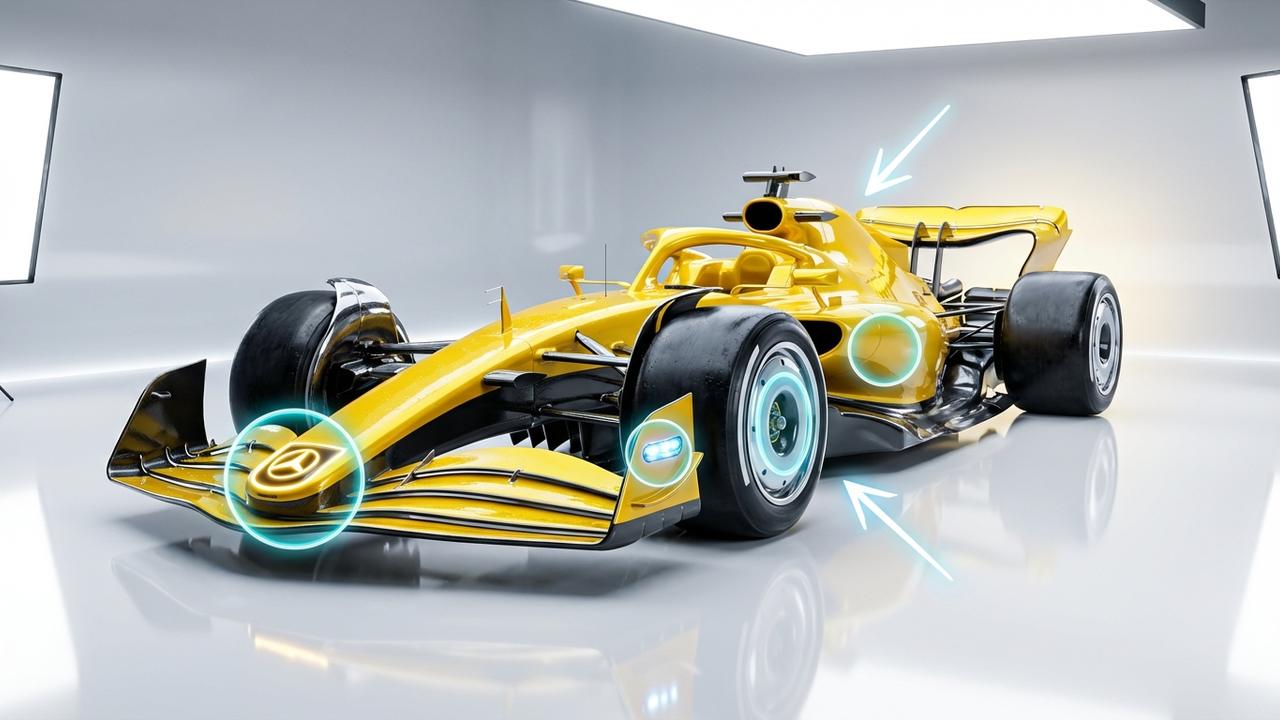
When the 2026 season arrives, American fans will get a fresh look at how international motorsport is evolving and how teams are positioning themselves for a deeper push into the U.S. market. The announcement of the 2026 F1 Teams Revealed for the USA has stirred optimism from Austin to Las Vegas, with manufacturer partnerships, revised technical rules, and expanded race weekends shaping a new era of competition. Whether you follow the sport for the engineering wizardry, the on-track drama, or the festival-like atmosphere of race weekends, the changes slated for 2026 promise to change how U.S. audiences engage with Formula 1.
2026 F1 Teams Revealed for the USA — Who’s on the Grid and What the U.S. Fanbase Should Know
The phrase 2026 F1 Teams Revealed for the USA captures not only the roster of constructors expected to contest the world championship but also how those teams plan to connect with American supporters. The big names — Ferrari, Mercedes, Red Bull, McLaren, and Williams — remain staples, but 2026 is notable for manufacturer re-entries and strategic alliances that carry extra weight for U.S. interests.
Among the most headline-grabbing developments are confirmed manufacturer involvements that will be particularly relevant to U.S. fans: Ford’s technical partnership with a top team and Audi’s move into the grid through an established outfit. These moves mean more factory resources, broader marketing campaigns, and more U.S.-facing content and merchandise offerings than in previous seasons.
For American followers, the most immediate impact will be visible at U.S. rounds such as Austin, Miami, and Las Vegas. The 2026 F1 Teams Revealed for the USA underscores which squads plan expanded hospitality, on-site fan events, and exclusive U.S. collector items. Expect factory-backed teams to use these race weekends as opportunities to showcase their brand stories to potential American car buyers and motorsport enthusiasts alike.
2026 F1 Teams Revealed for the USA — Lineup Details and Manufacturer Moves
When the 2026 F1 Teams Revealed for the USA were announced, the headlines focused less on a wholesale change of names and more on deeper strategic shifts. Some teams keep their core identity while upgrading resources through alliances, and a few entrants rebrand under manufacturer stewardship. That matters for fans who follow the technical race and for consumers tracking how racing-derived technology trickles into showroom cars.

Real-life examples help to clarify the trend. Manufacturer engagement is not only about logos on liveries; it’s about R&D investment, pitlane staffing, and power unit development. For instance, a U.S. automaker’s involvement could accelerate hybrid efficiency research that later influences models sold in North America. That cascade is one reason why the 2026 grid matters to American auto shoppers and industry watchers.
2026 F1 Teams Revealed for the USA — Regulation Tweaks and Power Unit Overhaul Explained
An essential part of the 2026 conversation is how rule changes will alter racecraft and technical development. The 2026 F1 Teams Revealed for the USA came alongside tweaks intended to enhance racing dynamics: a stronger emphasis on hybrid-electric power, broader use of sustainable fuels, and incentives for manufacturers to develop cleaner, more efficient powertrains. These shifts are designed to boost on-track competition while aligning Formula 1 with broader automotive sustainability goals.
In practical terms, fans should expect cars to deploy more electrical power during races, which changes overtaking windows and how drivers manage energy. Those changes create strategic diversity across teams—some will excel at on-lap outright pace, while others will find gains in energy deployment and race-long efficiency.
From a U.S. market perspective, these tweaks are meaningful because they speed up technology transfer. When a U.S. automaker participates in F1, the research into hybrid systems and sustainable fuels can influence mass-market models faster, giving American buyers improved efficiency and performance in regular road cars.
2026 F1 Teams Revealed for the USA — How Technical Changes Enhance Competition
One of the main objectives behind the regulatory changes tied to the 2026 F1 Teams Revealed for the USA is to tighten performance gaps. Adjustments to homologation rules for power units and limitations around certain bespoke parts make it easier for smaller teams to close the gap on frontrunners.

That balance often translates to more unpredictable races, which is great for spectators. For U.S. viewers used to close finishes in NASCAR or IndyCar, the promise of tighter F1 battles should make Grand Prix weekends more compelling and easier to follow.
2026 F1 Teams Revealed for the USA — What to Expect at Austin, Miami and Las Vegas
The 2026 F1 Teams Revealed for the USA matters most at the track, and U.S. circuits each offer unique contexts where those teams will reveal their true competitiveness. Circuit of the Americas in Austin remains the technical test for aerodynamics and balance, Miami demands a high-downforce setup for its unique layout, and Las Vegas adds the spectacular backdrop and high-speed sections that favor power-unit efficiency.
American fans can take advantage of these differences when choosing which race to attend. If you prefer tight action and a festival atmosphere, Austin offers great sightlines with general admission and multiple grandstands. Miami is glamorous and accessible to city-based travelers, while Las Vegas blends nightlife and spectacle with the sporting element.
2026 F1 Teams Revealed for the USA — Ticketing Strategies and Hospitality Options
Buying tickets early is smart: demand spikes when teams announce special U.S. activations. The 2026 F1 Teams Revealed for the USA means more premium packages tailored to American hospitality tastes—think trackside lounges with local cuisine, brand-specific fan zones, and VIP pit walks timed to suit U.S. business travel schedules.
Here are practical ticketing tips for U.S. fans:

- Buy early to secure grandstand seats that match your viewing preferences—turns with heavy braking zones are best for overtaking visibility.
- Compare official hospitality against third-party packages for value; official options often include early paddock access and driver appearances.
- Look for multi-race or local-resident discounts, especially for the Austin race, where community initiatives can lower costs.
- Use official resale platforms if dates change—verify authenticity and transferability to avoid scams.
2026 F1 Teams Revealed for the USA — Merchandise, Sponsorship and Buying Advice for U.S. Fans
With manufacturer involvement and expanded U.S. activations, merchandise is becoming a larger element of race weekend revenue. The 2026 F1 Teams Revealed for the USA implies more U.S.-specific apparel and limited-edition items that appeal to collectors and casual fans alike. For buyers in the U.S., knowing how to pick authentic gear and where to find the best value is essential.
Practical buying advice includes checking official team stores first, watching for special U.S. race capsule collections, and considering fit and fabric carefully, because F1-branded clothing can be a premium purchase. If you want the closest possible team connection, consider joining official fan clubs or loyalty programs; these often provide early access to limited drops and meet-and-greet opportunities.
2026 F1 Teams Revealed for the USA — Comparing Team Merchandise and Value
Comparisons matter when you’re spending hard-earned dollars. Factory-backed teams frequently charge more for merchandise that boasts higher-quality materials and exclusive branding. Customer teams or smaller outfits, meanwhile, often provide better value for casual fans who want a logo hoodie without the premium price tag.
Think about long-term value: collector’s items tied to a team’s first U.S. activation or to a manufacturer entry often appreciate in desirability. For U.S. collectors, items linked to an American-affiliated manufacturer tend to carry extra sentimental and potential resale value.
2026 F1 Teams Revealed for the USA — Tech Transfer, Road Car Relevance and American Market Insights
The technological bridge between Formula 1 and road cars is one reason why the 2026 F1 Teams Revealed for the USA is more than a sporting story. Hybrid systems, energy recovery, and sustainable fuels developed for the track can influence tuning, battery efficiency, and emissions controls in mass-market vehicles sold in the U.S.

For American consumers, manufacturer engagement in F1 can be a signal of commitment to performance and engineering. A U.S. automaker’s participation may lead to high-performance variants or tech-pack options in future models, which can be a deciding factor for buyers weighing sports sedans, performance SUVs, or electrified platforms.
Real-world examples of tech transfer are already visible in braking systems and hybrid deployment strategies. Expect more cross-pollination in 2026, particularly as fuel sustainability receives greater emphasis across automakers’ road-vehicle strategies in North America.
2026 F1 Teams Revealed for the USA — Comparing Team Budgets and Competitive Prospects
Budget caps and shared parts aim to level the playing field, making the list of 2026 F1 Teams Revealed for the USA less predictable in terms of race winners. Some teams will thrive by optimizing the new regs and streamlining development, while others may struggle with the transition to new power units and testing limitations.
For fans who enjoy technical analysis, watching how each team allocates their budget—toward aerodynamics, power unit integration, or pit crew performance—will be a fascinating subplot across the U.S. races. Expect mid-season shake-ups as teams find different development curves under the 2026 rules.
2026 F1 Teams Revealed for the USA — Conclusion and Actionable Advice for American Fans
The 2026 F1 Teams Revealed for the USA marks a meaningful step in Formula 1’s global expansion and technology evolution. From manufacturer comebacks to regulation tweaks promoting closer racing, American fans will see a blend of spectacle, engineering innovation, and new commercial opportunities on U.S. soil.
Actionable advice: secure race tickets early, prioritize grandstand locations that match the viewing experience you want, and follow team announcements for exclusive U.S. merchandise drops. If you’re a car buyer, watch how manufacturer involvement in F1 influences future models—especially hybrids and sustainable-fuel-ready engines.
Finally, get involved: subscribe to team newsletters, join local fan clubs, and plan travel to a U.S. Grand Prix to experience firsthand how the 2026 F1 Teams Revealed for the USA will shape the sport for American audiences. The season promises richer competition, more manufacturer stories, and plenty of reasons to be excited about the future of Formula 1 in the United States.