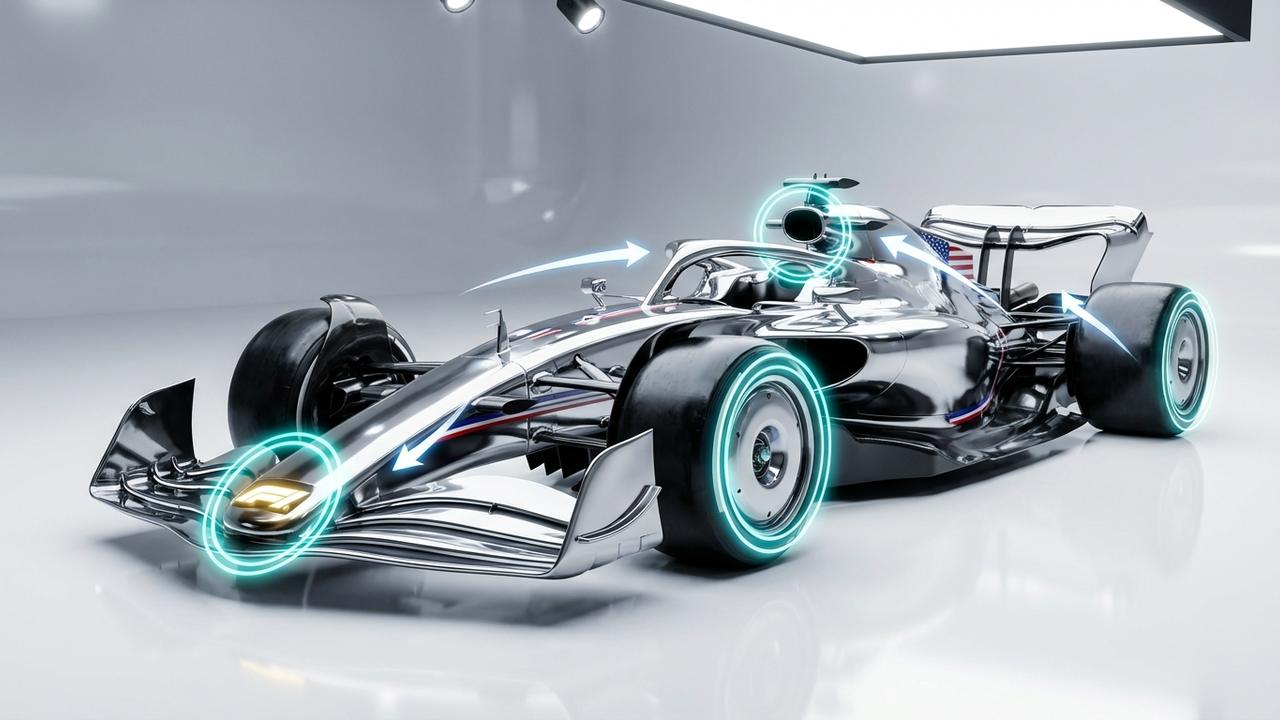
The 2026 Formula 1 Regulations Unveiled in the USA mark a pivotal moment for the sport and for American motorsport followers. Announced with clear goals around closer racing, sustainable power, and improved driver visibility, these rule changes are intended to sharpen on-track action and encourage technological innovation. For U.S.-based teams, engineers, fans and the broader automobile market, the ripple effects will be felt from race strategy to road-car hybrid adoption.
2026 Formula 1 Regulations Unveiled in the USA: What Changed
The initial briefing focused on three headline pillars: aerodynamic simplification, power unit evolution, and a refined sporting format. Aerodynamic revisions aim to reduce turbulent wake, enabling closer following and more overtakes. Meanwhile, power units receive updates to boost electrical deployment and ensure alignment with sustainable fuel initiatives.
Teams were given precise dimensional limits and clearer definitions for underbody and sidepod geometry to limit costly development arms races. The FIA emphasized predictable rules to prevent mid-season design pivots that previously skewed competition. The changes also include tweaks to weekend formats and points distribution to keep sprint races meaningful.
2026 Formula 1 Regulations Unveiled in the USA — Technical Overview
Under the technical banner, the regulations cut back on complex vortex-generating appendages and refined floor geometry to promote steady, cleaner airflow. This is intended to make slipstreaming more effective on circuits like Austin and Miami, helping drivers execute passes with fewer tyre-degrading effects.

Suspension and steering rules were clarified to reduce active aerodynamics and driver aids that mask handling deficiencies. The goal is transparency: if a car is faster, it should be due to basic mechanical grip, chassis balance and driver skill rather than hidden aero tricks.
2026 Formula 1 Regulations Unveiled in the USA — Power Unit and Hybrid Rules
Electrification is central to the updated power unit framework. The rules increase the allowable electric energy deployment per lap while narrowing the internal combustion engine’s scope toward efficiency. This dual change promotes electrified peak power, meaning drivers will have greater, strategically deployed electrical boosts during key racing moments.
Importantly for sustainability, the regulations further push for 100% sustainable fuels compatibility and standardization of certain thermal components. Manufacturers and independent engine suppliers in the United States who have been experimenting with advanced hybrid architectures can now evaluate how racing-grade hybrid systems translate to high-performance road cars.
2026 Formula 1 Regulations Unveiled in the USA: Impact on Competition
Expect tighter midfield battles. By reducing aero sensitivity, the new rules compress the performance window between the front and middle of the grid. Historically, when wake turbulence is mitigated, drivers as far back as eighth position can attempt riskier overtakes without catastrophic tyre degradation.

Strategic diversity will return as teams balance energy harvesting and deployment with mechanical grip setups. Races in the United States, from Circuit of the Americas to street-style layouts, will provide case studies on how well the rules achieve closer racing in practice.
2026 Formula 1 Regulations Unveiled in the USA — Driver Performance and Racecraft
Drivers will be asked to adjust to greater reliance on racecraft and energy management rather than aero-dependent cornering speeds. This rewards tactical intelligence: when to save electrical energy and when to deploy it for an overtake or defence.
Younger American drivers coming through junior formulas will find the transition to F1 more focused on classic wheel-to-wheel skills. That can benefit public interest in domestic driver development programs and American racing schools, which can emphasize energy management simulations and mechanical setup understanding.
2026 Formula 1 Regulations Unveiled in the USA: Effects for American Fans and the Automobile Market
The U.S. automobile market will see knock-on effects. Automakers and suppliers that follow F1 tend to accelerate tech transfer in areas like hybrid packaging, thermal efficiency, and lightweight materials. Given the increased emphasis on electrified performance in the rules, consumers in the USA can expect faster trickle-down of performance-hybrid systems into high-end sports cars and performance trims of mainstream models.

For American fans, the changed regulations should equal more exciting race weekends. More overtakes and strategic variability make races easier to follow and more attractive for casual viewers. This could boost ticket sales, TV viewership and fan investment in merchandise and experiential products like track days and simulator rentals.
2026 Formula 1 Regulations Unveiled in the USA — Buying Tips and Comparisons for US Consumers
If you’re an American car buyer intrigued by F1-driven technologies, consider these practical pointers before purchasing a performance car or upgrading for track days.
- Hybrid performance comparison: Look for models that offer strong electric torque curves paired with efficient turbocharged engines—this combination mirrors the F1 direction.
- Weight vs. power balance: Prioritize vehicles with superior power-to-weight ratios rather than raw horsepower alone. Lightweight construction improves handling and braking more noticeably on twisty roads and tracks.
- Cooling and brakes: Cars with upgraded brake and thermal management systems are better suited to sustained high-load driving, similar to race conditions in the U.S.
- Aftermarket compatibility: Choose platforms with a solid aftermarket ecosystem in the USA for suspension, tyre and drivetrain upgrades if you plan regular track use.
- Resale and tech longevity: Electrified performance features should be supported by robust warranties and service networks—check dealer coverage, especially for battery and hybrid systems.
For example, an American buyer choosing between two sports sedans should weigh hybrid assist options that improve mid-range torque and fuel efficiency against a purely high-displacement engine. Real-world ownership costs, insurance and servicing availability in the U.S. are often deciding factors.
2026 Formula 1 Regulations Unveiled in the USA: Team Strategies, Costs, and American Engineering Opportunities
Financially, the FIA sought to keep the cost cap effective while allowing targeted investment in electrical systems and simulation tools. Teams will likely redirect budgets from minor aerodynamic development to powertrain and software development. For U.S.-based suppliers and engineering firms, this opens opportunities in hybrid control systems, battery management and sustainable fuel testing.

Smaller American technology firms can partner with teams to provide simulation platforms and energy-harvesting components. The rules encourage predictable year-to-year technical parameters, which can help suppliers plan R&D; cycles instead of burning cash on one-off aero additions.
2026 Formula 1 Regulations Unveiled in the USA — Testing, Circuits and the American Calendar
With more electrified race dynamics, testing and track selection become crucial. American circuits with a mix of long straights and technical sectors—like COTA and the redesigned Miami layout—will highlight how the new energy deployment rules affect overtaking and tyre management.
Teams will likely conduct more US-centered test programs to simulate street and permanent circuits common on the calendar. That benefits local track operators, motorsport schools and the aftermarket businesses that support test days and private sessions.
2026 Formula 1 Regulations Unveiled in the USA: Conclusion and Actionable Advice
The 2026 Formula 1 Regulations Unveiled in the USA represent a calculated step toward closer competition, improved sustainability and clearer driver emphasis. Whether you’re a fan planning to buy race tickets, a car buyer attracted to hybrid performance, or an engineer scouting partnership opportunities, the new framework has practical implications.

Actionable advice for American readers:
- Fans: Prioritize race weekends in the USA to see overtakes live—buy tickets early and follow team updates on energy-deployment strategies to enhance viewing enjoyment.
- Car buyers: Compare hybrid performance packages and check for robust dealer support for battery and hybrid systems before purchase.
- Suppliers and engineers: Focus on energy management, battery control and sustainable fuel compatibility; there will be demand for scalable solutions that translate from track to road.
In short, the regulatory package is designed to make racing more exciting and relevant to the broader automobile market in the United States. The trickle-down of electrified performance, improved cost predictability for teams, and clearer sporting formats are likely to boost engagement across the board. Keep following team briefings and technical debriefs throughout the season to see how these rules play out on the racetrack and in the showroom.